What problem are you really solving?
Start with the goal, not the structure. Do you need another bedroom and bath right now, or a self-contained living space with its own kitchen? If you want privacy for parents, grown kids, or guests, a backyard suite often wins. If your home simply needs more room where you live, an addition may be smarter.
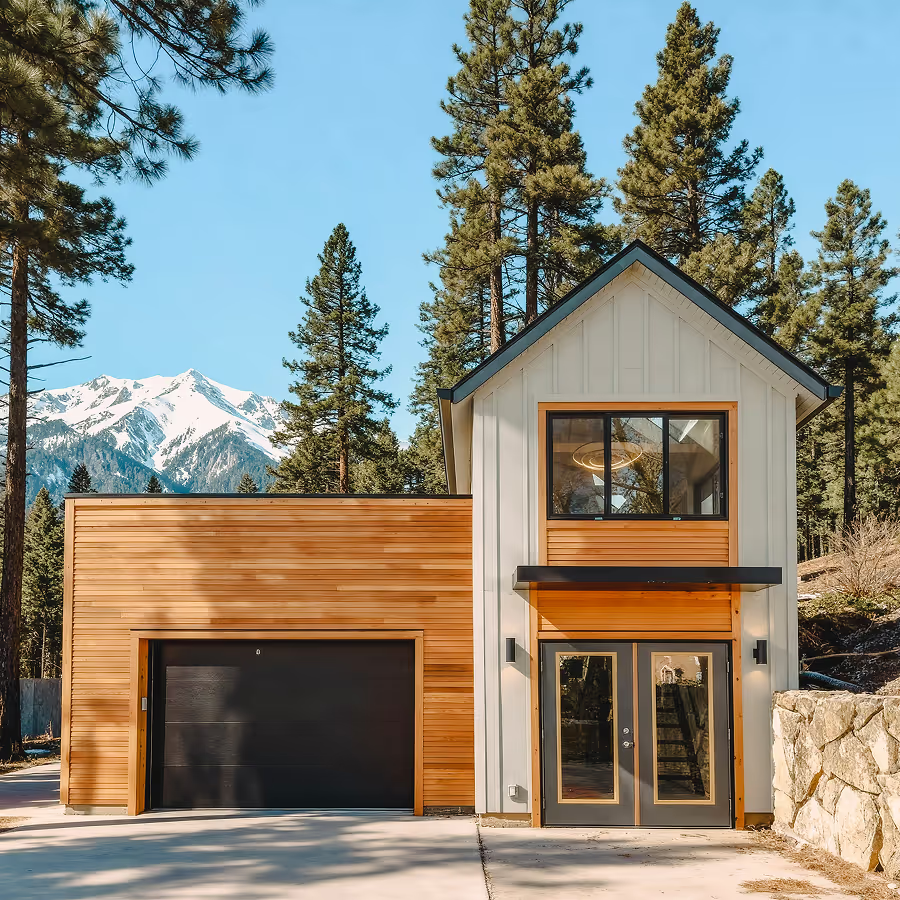
The case for a backyard suite (carriage, coach, garage-top)
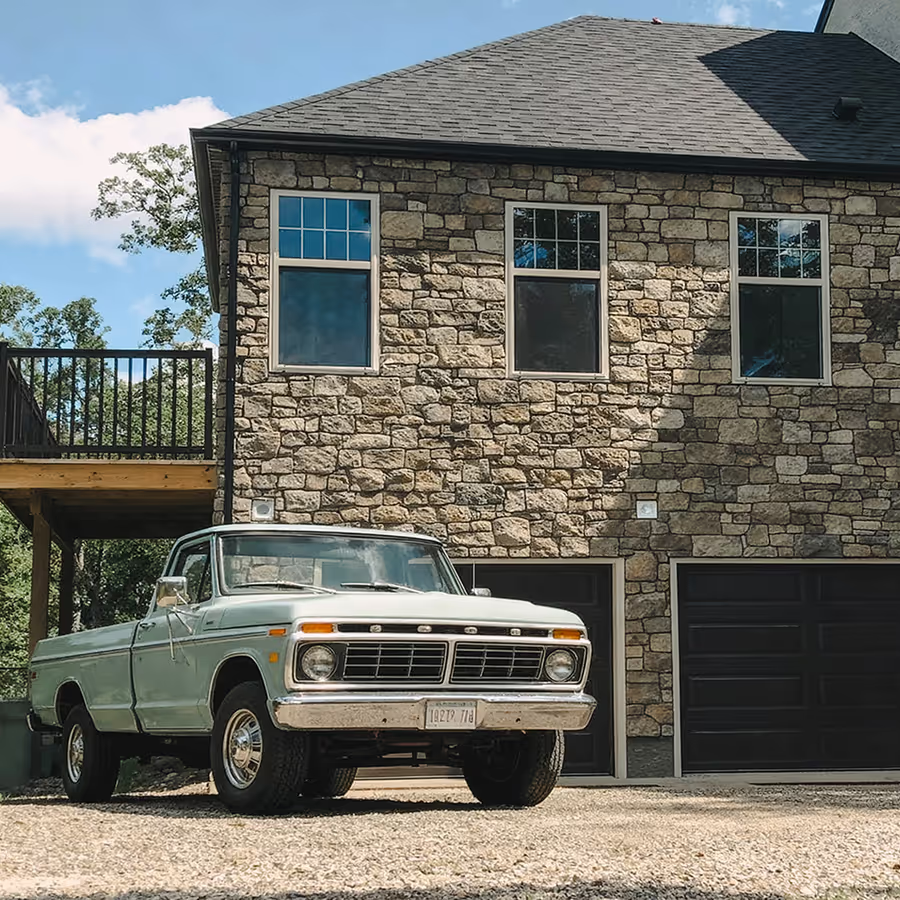
A backyard suite is a separate, small home on your lot—often above a new garage or in a compact detached building. The big advantages are privacy and flexibility.
- Privacy nearby: Separate entrance, kitchen, and bath mean independence without moving far.
- Two birds, one build: Parking below, living above solves both more parking and more living.
- Future options: Office, studio, long-stay guest space, or potential rental if rules allow.
Trade-offs: You’ll design a second kitchen and bath (higher per-square-foot cost), and you’ll manage zoning/parking requirements. Separating utilities or metering can add complexity—plan it up front.
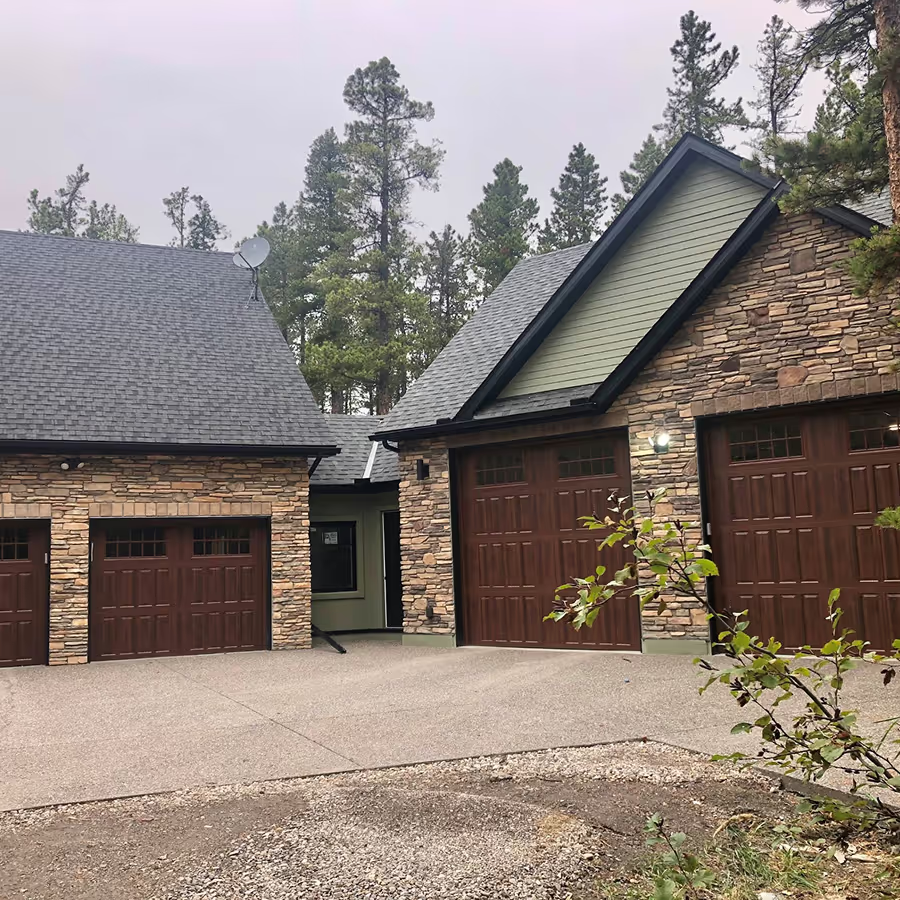
The case for an addition (kitchen bump, great room, primary suite)
An addition extends the main house. It shines when you want better flow and daily convenience without operating a second dwelling.
- Live better, right away: Expanded kitchen, mudroom, or primary suite improves everyday life for everyone.
- Seamless feel: Done well, the new space reads original, not tacked on.
- Straightforward systems: One kitchen, one set of mechanicals—often simpler to maintain.
Trade-offs: You’ll have less privacy for long-stay guests, and if you also need parking, you may still need a garage expansion.
Costs, apples to apples
Costs depend on size, finishes, and site conditions, but a quick rule helps:
- Kitchens and baths drive cost. Suites include both, so per-square-foot is typically higher than a simple room addition.
- Stacking space saves money. A suite over new bays (parking below) can be more efficient than a fully detached building.
- Scope clarity prevents drift. Lock selections early, and price changes before proceeding to protect budgets in both paths.
Pro tip: Build a short wish vs. need list. If the “need” items are mostly flow/storage, start with an addition. If they’re mostly privacy/independence, consider a suite.
Approvals and practical constraints
Both paths need drawings and permits, but watch the differences:
- Backyard suite: Expect rules on height, setbacks, parking, and sometimes design. Plan separate entry and sound control.
- Addition: Pay attention to setbacks, lot coverage, and structural tie-ins. Matching rooflines and finishes matters for resale.
Have your builder prepare complete packages (site plan, service notes, elevations) so reviewers see a tidy, thought-through project.
Everyday living test (pick one)
Use this quick stress test:
- If your top sentence is “We need space for someone to stay, comfortably and privately,” choose a backyard suite.
- If your top sentence is “Our kitchen, storage, and flow don’t work,” choose an addition.
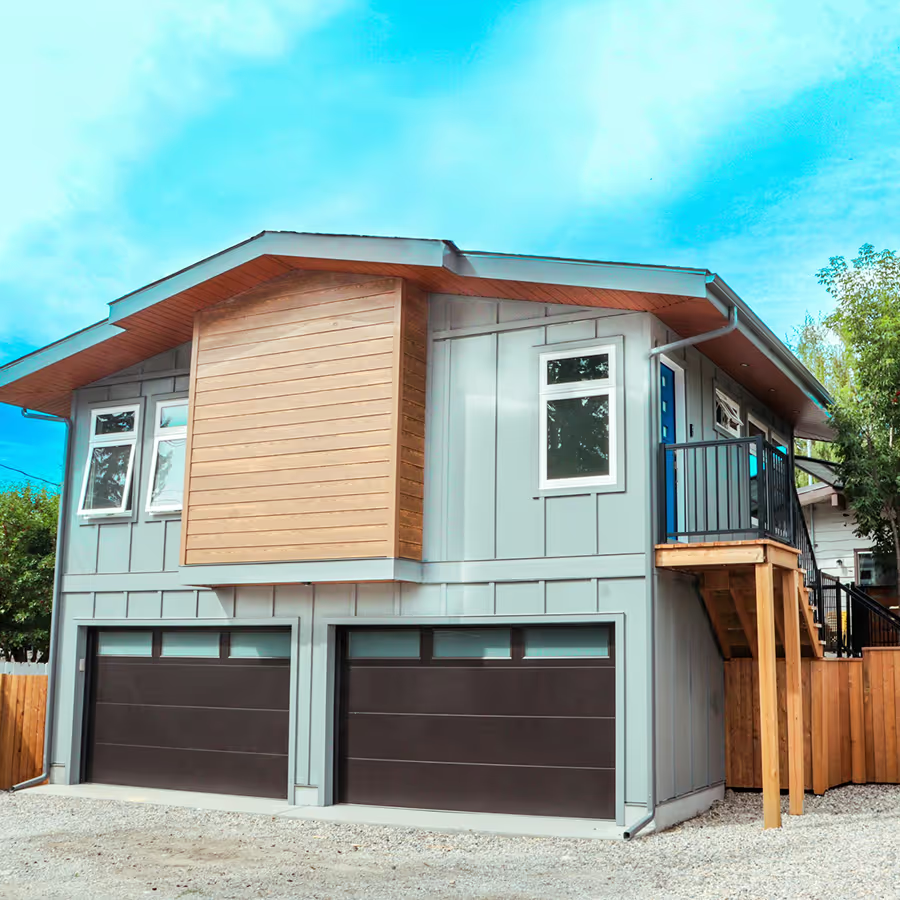
- If you said both, consider a garage-top suite: parking solved, privacy added, yard preserved.
Bottom line
Choose the structure that solves the core problem, not the one that sounds trendier. A suite brings privacy and flexibility; an addition brings daily comfort and flow. Done right, either path can deliver years of calm, useful space—without leaving the address you love.