What is a carriage home really?
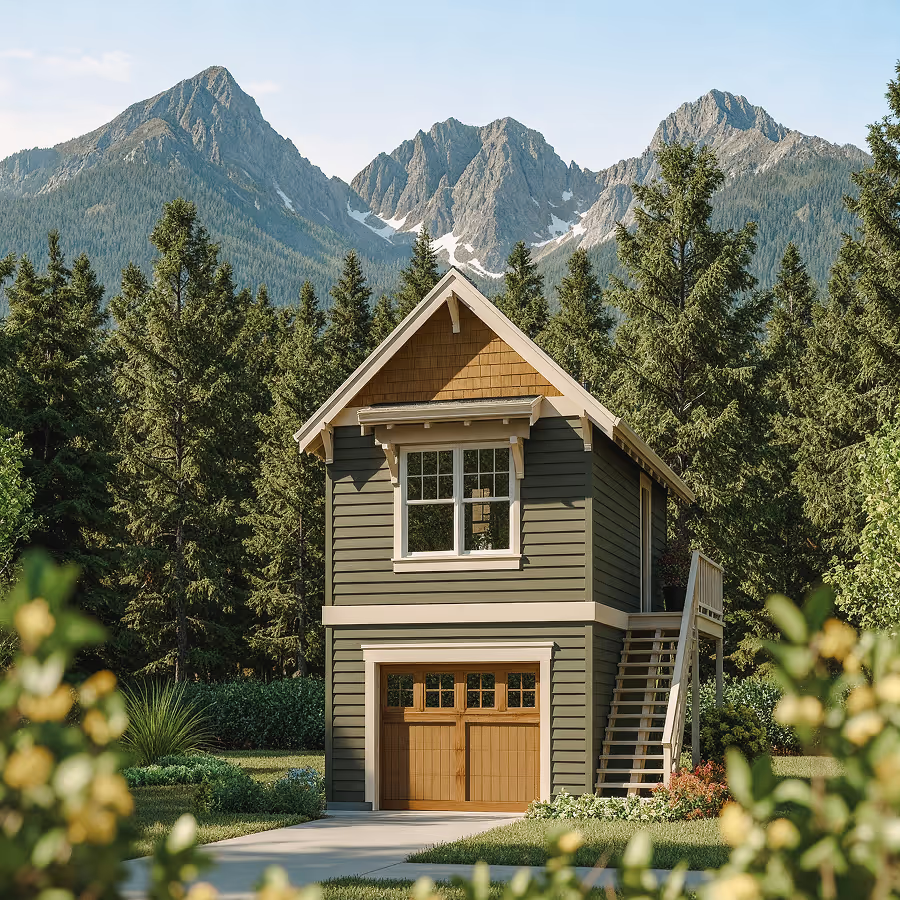
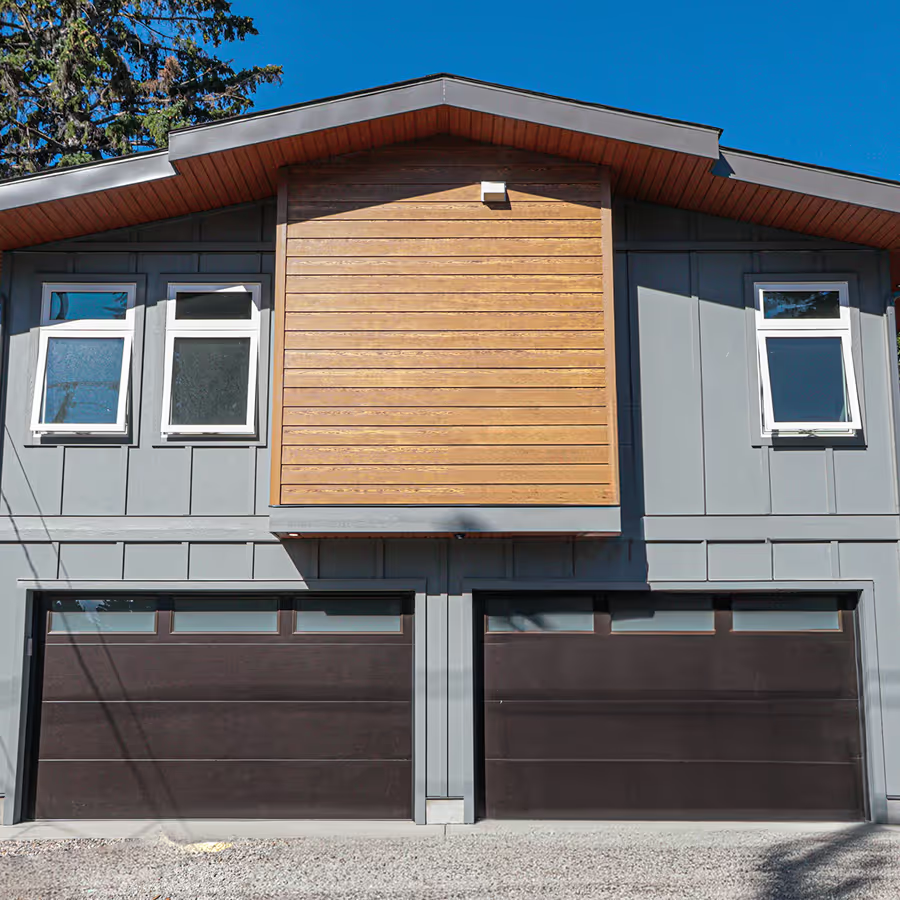
A carriage home (often called a backyard suite, garage suite, or coach house) is a small, self-contained home on the same lot as your main house. Many families use it for parents, grown kids, guests, or flexible work space. Think privacy nearby: its own kitchen, bath, and entrance—without crowding the main house.
Where does a carriage home make sense?
Carriage homes shine when you want more living and more parking in the same project. Lots that already have or plan a garage are ideal, because living space can sit above new bays. They also help when you love your location, but need independence for family—or a space that can adapt over time.
What to plan first
Before picking finishes, confirm the basics: lot fit, services, and access.
- Lot fit: space for parking, setbacks, and a sensible footprint.
- Services: water, waste, power, and heating capacity for another kitchen and bath.
- Access: clear path for a separate entry and safe stairs.
- Privacy: window placement and distance so both homes feel comfortable.
Typical budget drivers (and how to control them)
Costs vary, but you can keep things predictable by focusing on a few levers:
- Size and shape. Compact rectangles cost less than complex footprints. Keep the plan efficient.
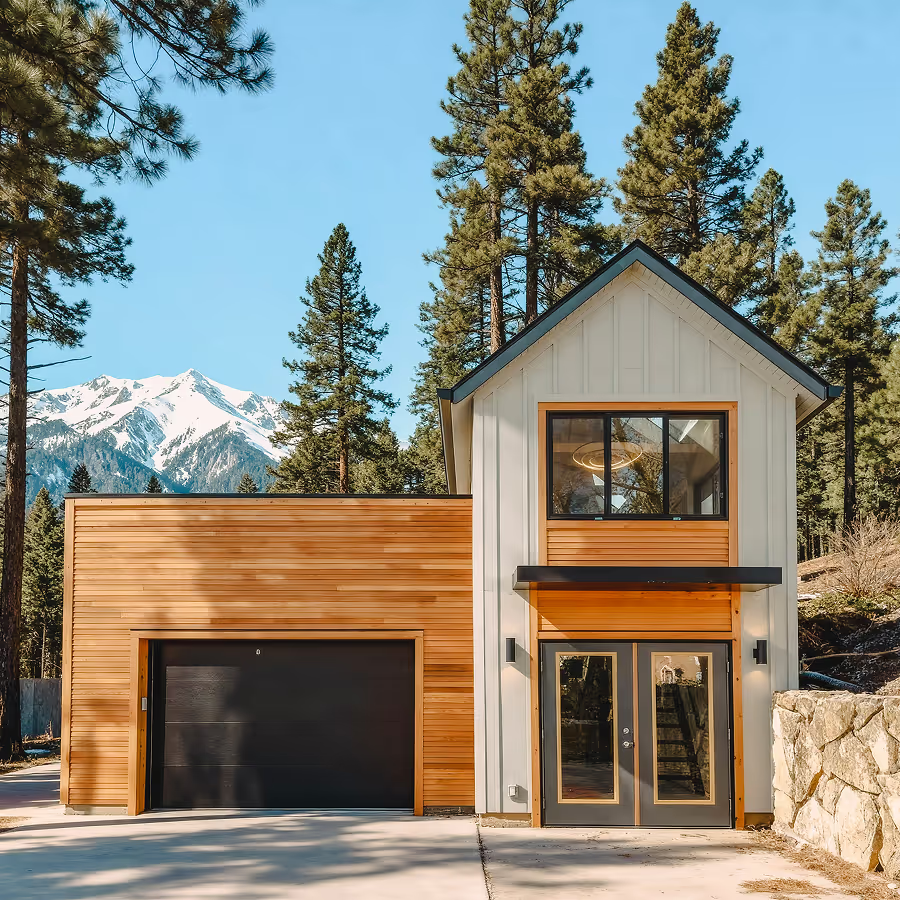
- Over-garage vs. detached. Building over new bays can be cost-effective: parking below, living above.
- Kitchen and bath choices. Cabinets, tile, and plumbing fixtures drive budgets; lock selections early.
- Site work and services. Trenching, panel upgrades, water treatment, and septic sizing add up—plan them first.
- Exterior finishes. Match the main house but avoid high-maintenance cladding unless it’s essential to your look.
Approvals in plain English
Every municipality has rules, but the process is less scary when you break it down. You’ll typically need a development review (does it belong here?) and a building permit (is it safe and up to code?). Strong submissions include clear drawings, service plans (water/waste/power), and parking diagrams. A builder who prepares complete packages and answers questions quickly keeps files moving.
Smarter design moves for small spaces
Little decisions make a carriage home live big:
- An entry that lands in light. Stairs feel safer and more welcoming.
- A real kitchen. Two burners and a microwave won’t cut it for long stays.
- Sound control. Quiet floors and doors protect both households.
- Storage walls. Tall cabinets and under-stair nooks keep clutter down.
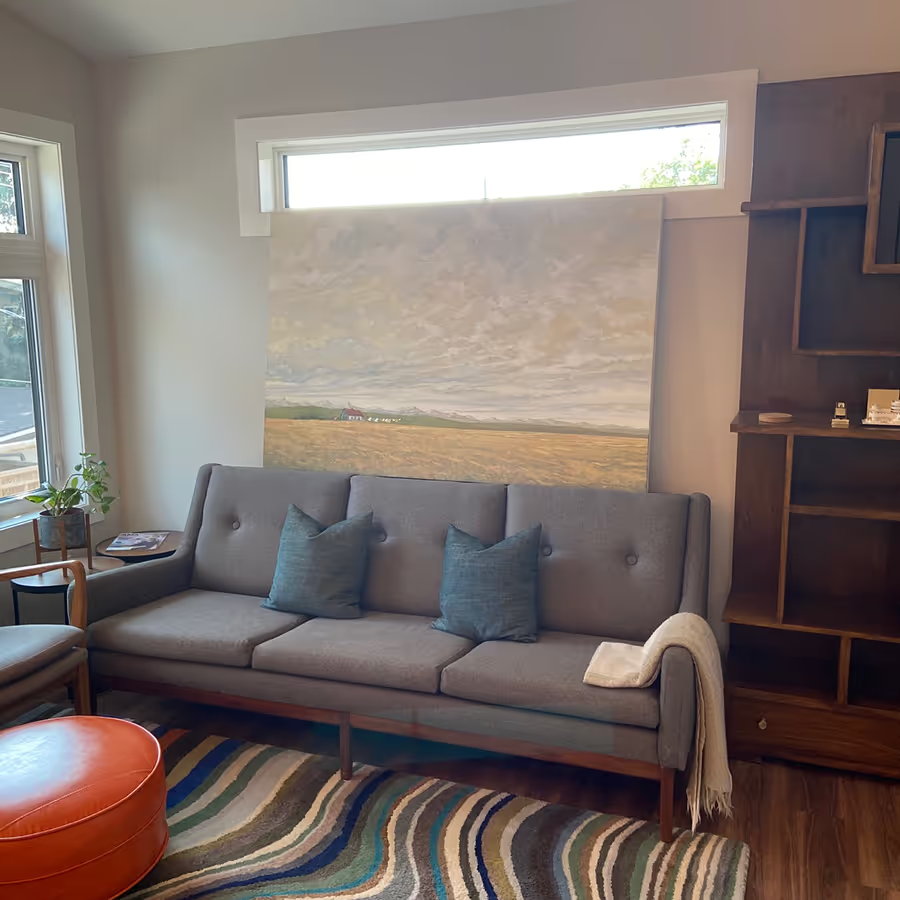
- Windows with purpose. Frame views while protecting privacy for the main house.
A simple timeline you can picture
Expect three broad phases: pre-construction (site study, concept, budget, approvals), build (foundation/garage, framing, services, finishes), and handover (final checks, manuals, and keys). The smoothest projects front-load truth: realistic allowances, early selections, and a builder who shares weekly updates and prices any changes before work shifts.