What a whole-home renovation really changes
A whole-home renovation doesn’t just swap finishes; it rethinks flow, storage, light, and systems. When you approach it as a sequence—clarify goals, design deliberately, budget honestly, and build methodically—you avoid constant rework and stress. The outcome is simpler daily life: rooms that work together, not just look new.
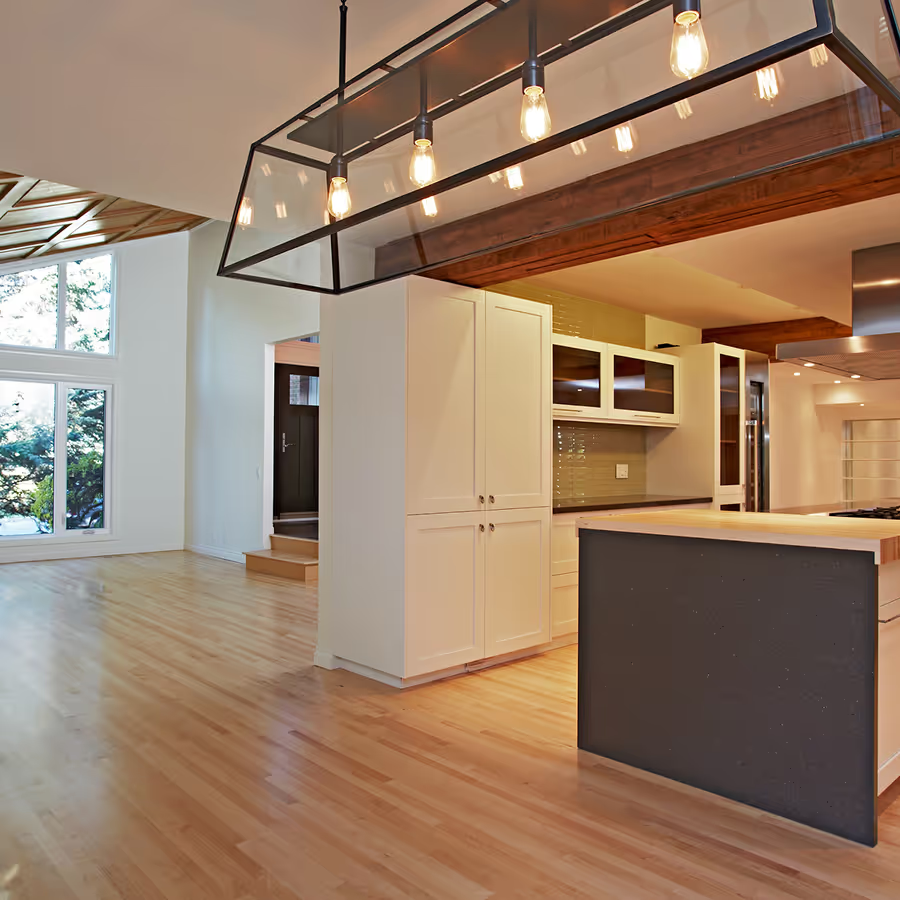
Start with clarity (not Pinterest)
Begin with a simple inventory of must-haves and nice-to-haves. Write down who uses each room, when, and how. Note pain points: tight entries, poor storage, dark corners, noisy bedrooms. Then choose one guiding priority—for example, “open kitchen for gatherings” or “more storage, less clutter.” This clarity protects decisions later.
Design and scope without drift
Turn priorities into a plan you can price. Keep drawings and scope specific:
- Room by room: layout changes, door/window moves, storage adds
- Systems: electrical, plumbing, HVAC adjustments needed
- Surfaces: flooring, tile, paint, cabinets, counters
- Details: trims, hardware, lighting layers, accessories
Use alternates where helpful (e.g., “quartz A / quartz B”) so you can pivot without restarting.
Budget that stays believable
Budgets crack when allowances are vague. Fix that with early selections and transparent allowances:
- List selections early (appliances, plumbing, lighting, tile, flooring).
- Right-size allowances with real quotes, not guesses.
- Build contingency (typically 10–15%) for unknowns inside walls.
- Price changes before proceeding—no silent drift.
Watch a weekly cost-to-complete summary. When money is visible, stress stays low.
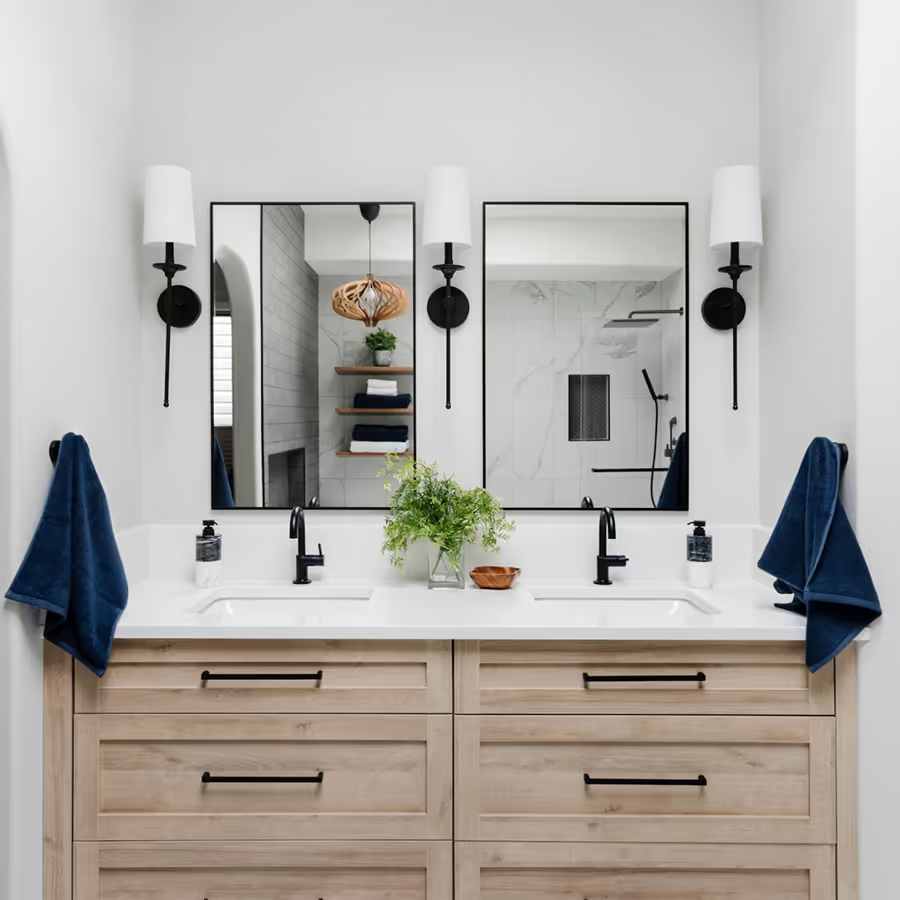
Live-through-it plan
Renovating while living at home is doable with planning. Decide where you’ll sleep, cook, and work during each phase. Protect what stays: dust barriers, floor coverings, and labeled bins. Set quiet hours and a daily cleanup commitment. A posted two-week lookahead schedule helps everyone know what’s coming and what choices are due.
Build with momentum
Momentum comes from coordination, not speed. Ask for:
- One point of contact who updates you consistently
- Milestone check-ins at framing, mechanical rough-ins, and before finishes
- Photo updates and short notes on today’s work and tomorrow’s
Insist on mockups for critical details (tile edges, trim transitions, lighting spacing) so results match intent.

Handover and aftercare
A great finish includes a tidy punch list, a labeled mechanical room, and a simple owner’s packet: manuals, paint codes, fixture lists, and warranty info. Do a final walk-through in daylight, run all fixtures, test doors, and check cabinetry. Good builders are reachable after move-in; small tweaks shouldn’t become big headaches.