Why water and waste come first
Before floor plans and finishes, secure dependable water and a compliant septic system. These two decisions shape what’s buildable, where it sits, and how comfortably it lives. Handle them early and the rest of the project flows; ignore them and you risk redesigns, delays, and budget drift.
What to check on day one
Start with a short list of facts. The goal is clarity, not guesses. Gather these early:
- Well status: existing well capacity (flow rate), water quality, and distance to septic components.
- Soils and setbacks: soil type, seasonal moisture, slopes, and required distances from buildings and property lines.
- Bedrooms planned: bedrooms drive septic sizing; be honest about future suites or finished basements.
- Service power: available amperage for pumps and treatment equipment.
Well planning in plain English
A good well means enough water, consistent pressure, and good taste. Test before design. If flow is low, consider storage tanks and a constant-pressure system to keep showers and sprinklers steady. If quality needs help, plan treatment (softening, filtration, iron/manganese solutions, possibly UV). Right-sizing pumps and pressure tanks prevents short-cycling and extends equipment life.
Septic systems without the mystery
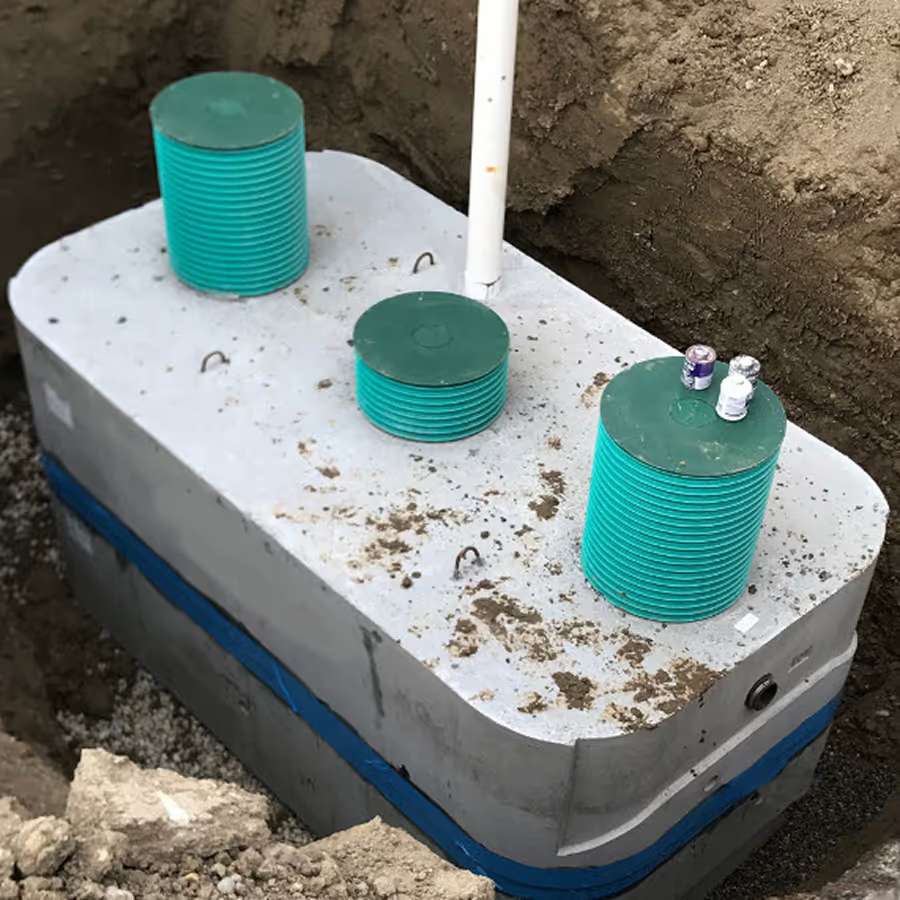
Septic isn’t one-size-fits-all; it’s sized to bedrooms and tuned to soil. Typical components include a septic tank and a dispersal field (trenches, chambers, or mound). Poor soils, small lots, or high water tables may require advanced treatment. Good planning covers:
- Capacity: size for today plus realistic future bedrooms.
- Location: protect patios, gardens, and vehicle routes; keep fields sunny and accessible.
- Maintenance: lids you can reach, components you can service, and clear as-built drawings for future owners.
Permits, inspections, and paperwork
Regulators want to see clear drawings, sizing calculations, and setback compliance. A strong submittal includes:
- Site plan marking well, tank, field, buildings, and property lines.
- Soil evidence (logs, percolation, or professional assessment).
- Design summary explaining flows, components, and maintenance.
Expect inspections at installation milestones. Keep records: well log, pump model, treatment settings, septic as-builts. Organized paperwork speeds approvals and helps appraisals.
Cost drivers and how to stay sane
Costs hinge on depth/flow, treatment needs, soil conditions, and access. To control budgets: test early, lock major selections, and compare alternates (e.g., standard vs. advanced treatment) with total lifecycle, not just install price. Build a contingency for subsurface surprises and price changes before proceeding to prevent drift.
Small design choices with big everyday payoffs
Little details add comfort:
- Hose bibs near gardens to reduce pump strain from long runs.
- Quiet pump locations and vibration pads for peaceful interiors.
- Labelled shutoffs and a tidy mechanical corner for easy service.
- Water-efficient fixtures that stretch capacity without feeling stingy.
Bottom line: Put wells and septic at the front of the conversation. With good tests, right-sized equipment, clean drawings, and realistic allowances, you’ll get a rural home that feels effortless to live in—and a project that moves without surprises.