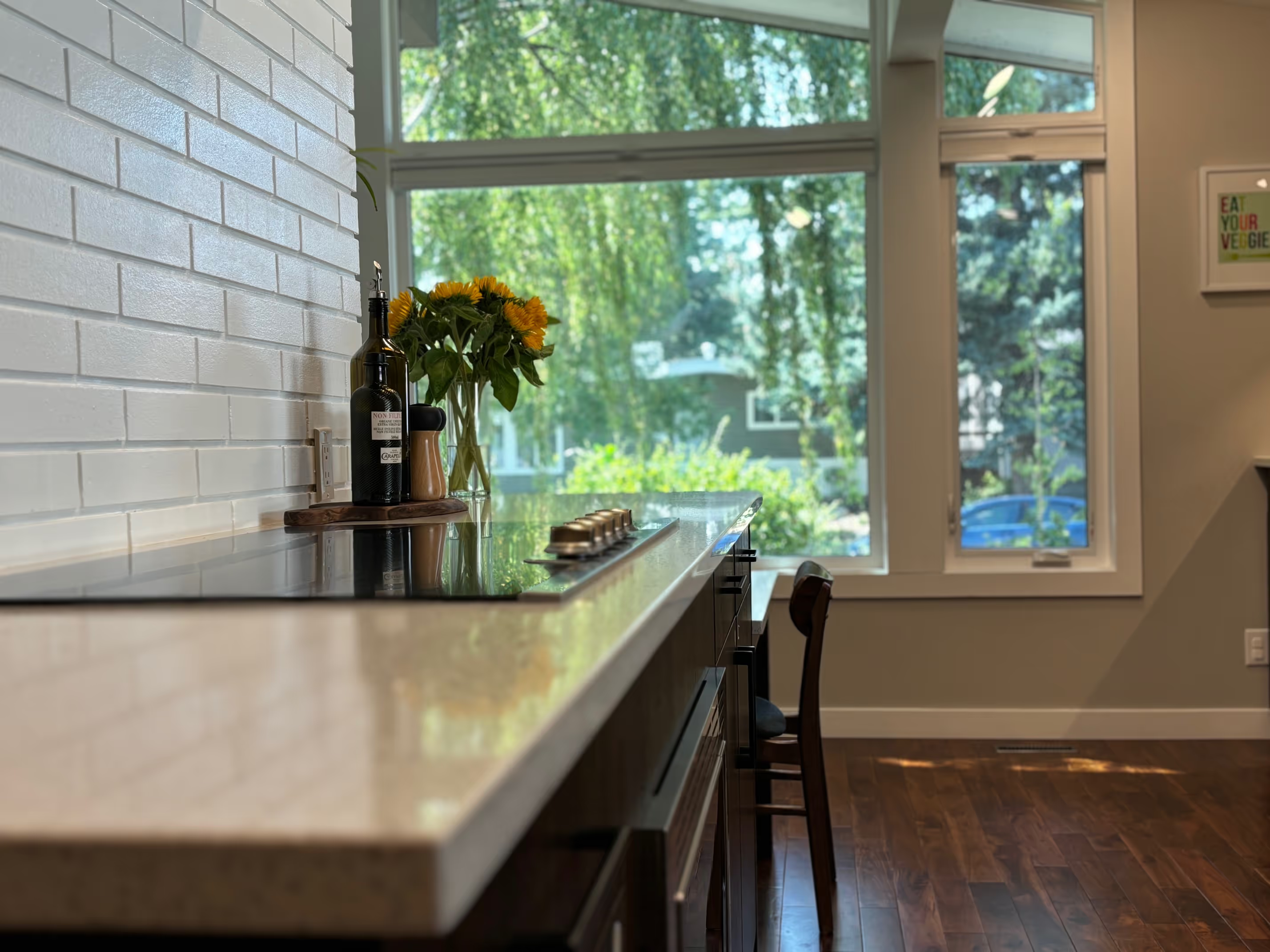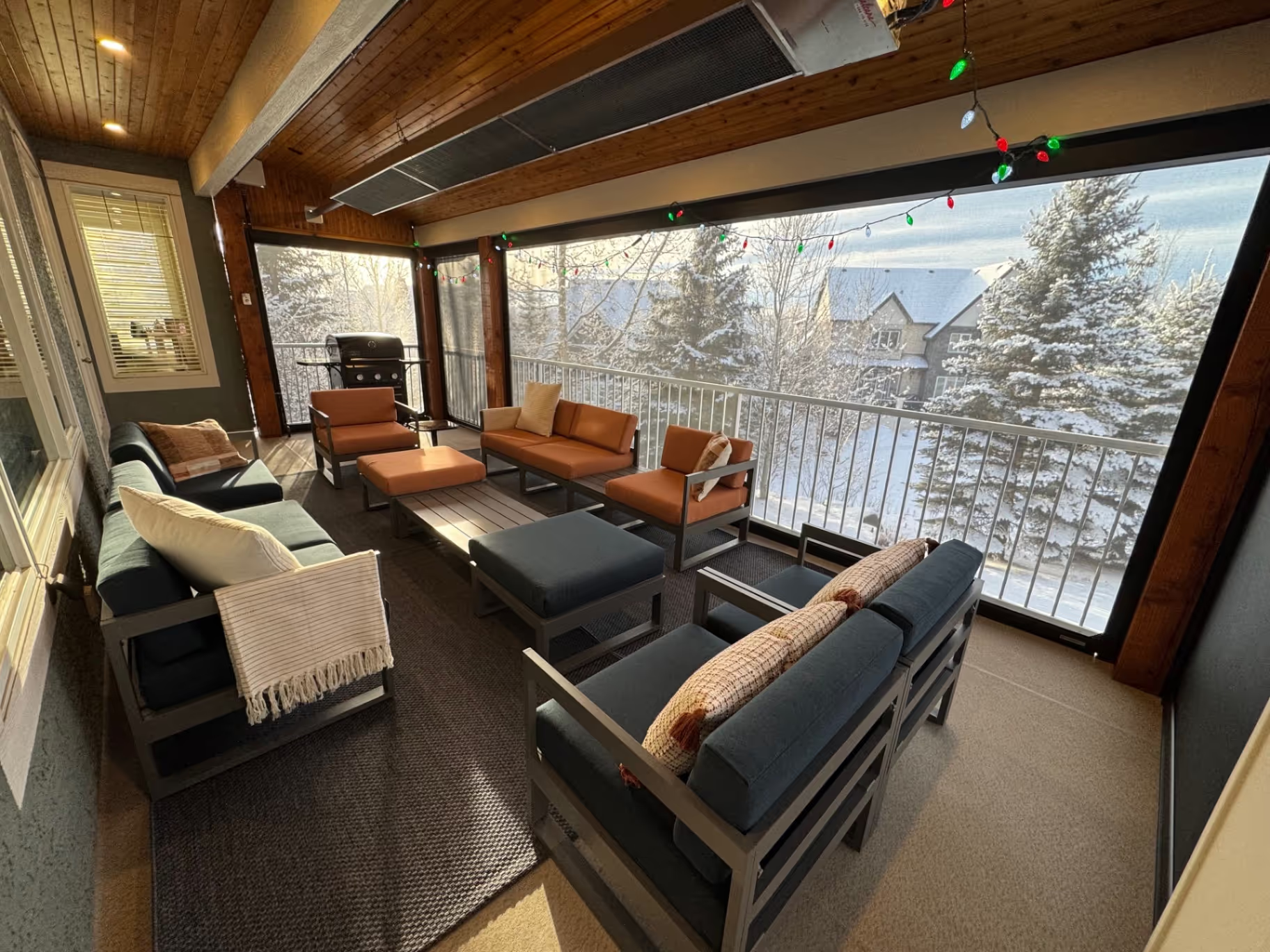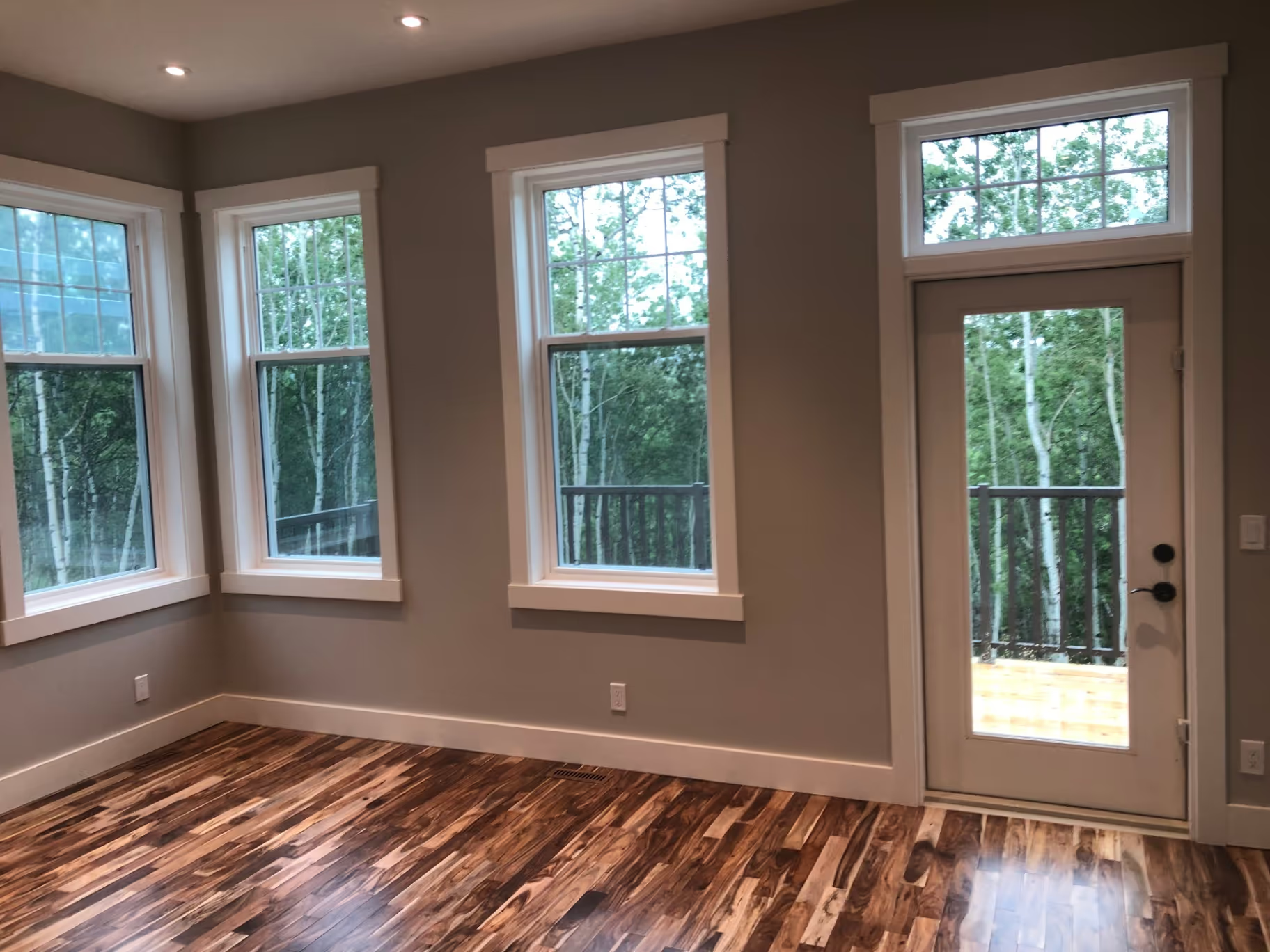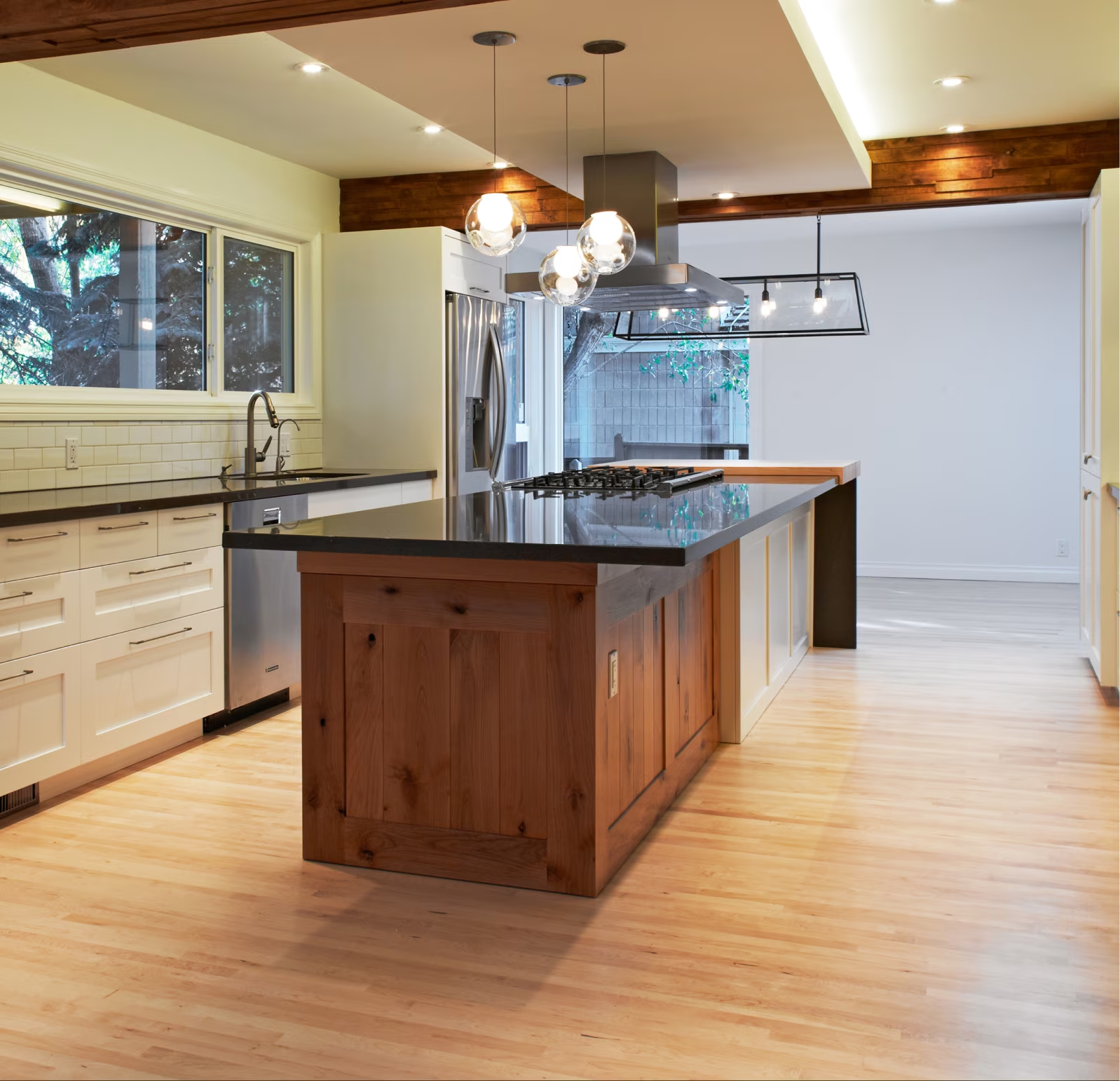
The term “custom home” is used frequently in residential construction, but not all custom homes are created the same way. Some projects involve selecting from pre-designed layouts with minor adjustments, while others are built entirely from the ground up around the homeowner’s lifestyle, preferences, and property.
This deeper level of personalization is often described using the word bespoke. For homeowners seeking a bespoke home builder in Alberta, the goal is not simply to construct a house but to create a residence that reflects individual design vision, long-term functionality, and architectural integrity.
A bespoke home is shaped through a collaborative process that integrates design, craftsmanship, engineering, and construction expertise from the beginning. Every decision, from layout and materials to architectural detailing, is tailored to the homeowner rather than adapted from a standard template.
Understanding what truly defines a bespoke home can help homeowners approach their building project with clearer expectations and a stronger design strategy.
What “Bespoke” Means in Residential Construction
The concept of bespoke construction originates from industries where products are made specifically for a client rather than mass-produced. In the context of residential building, bespoke refers to homes that are designed and built entirely around the individual needs of the homeowner and the unique characteristics of the property.
Rather than modifying a pre-existing design, bespoke homes begin with a blank canvas.
The design process typically considers several elements simultaneously:
• The homeowner’s lifestyle and daily routines
• The natural features of the property
• Architectural style preferences
• Long-term functional needs
• Structural and environmental considerations
Because every aspect of the project is customized, bespoke homes often involve a higher level of collaboration between the homeowner, designers, and builders.
This process allows the home to evolve organically rather than forcing design ideas to fit within predetermined plans.
How Bespoke Homes Differ From Production Homes
To understand the value of working with a bespoke home builder in Alberta, it helps to compare bespoke construction with production homebuilding.
Production homes are typically built within subdivisions using a limited selection of floor plans. Buyers may choose finishes or minor layout variations, but the overall structure of the home remains largely predetermined.
Bespoke homes follow a completely different approach.
Instead of selecting from existing models, homeowners participate in the creation of the home from the earliest stages. The architecture, layout, and materials are developed specifically for the project.
Key differences often include:
• Personalized floor plans tailored to lifestyle needs
• Architectural designs that respond to the property’s landscape
• Custom materials and finishes selected for both aesthetics and durability
• Greater flexibility in room sizes, ceiling heights, and spatial relationships
This level of customization allows the home to feel more intentional and cohesive.
Designing Around Lifestyle
One of the defining characteristics of bespoke homes is the emphasis on designing around how homeowners actually live.
Instead of adapting daily routines to a standardized layout, the home is designed to support the homeowner’s lifestyle from the beginning.
For example, families who frequently host gatherings may prioritize expansive kitchen and living areas designed for entertaining. Homeowners who work remotely might incorporate dedicated offices with acoustic separation and natural light.
Other design considerations may include:
• Integrated indoor–outdoor living spaces
• Multi-generational living arrangements
• Dedicated hobby rooms or workshops
• Private guest suites
• Fitness or wellness spaces within the home
These decisions influence the architectural layout as well as the structural design of the house.
A bespoke design process allows these lifestyle needs to shape the home rather than forcing them into pre-existing layouts.
The Role of Craftsmanship in Bespoke Homes
Craftsmanship is another defining feature of bespoke residential construction. Because the home is designed specifically for the project, many architectural details and interior elements must be carefully executed by skilled tradespeople.
Rather than relying on standardized construction components, bespoke homes often incorporate custom-built features that contribute to the character of the home.
Examples may include:
• Custom millwork and cabinetry
• Architectural ceiling treatments
• Handcrafted staircases and railings
• Detailed trim and molding profiles
• Built-in storage solutions designed for specific spaces
These details help create a home that feels refined and cohesive rather than assembled from standardized components.
Craftsmanship also extends beyond aesthetics. Precision construction techniques are essential to ensure the home performs well structurally and remains durable over time.
Architecture That Responds to the Land
Bespoke homes are often designed to complement the property on which they are built. In Alberta, this may involve designing homes that respond to expansive prairie views, foothill landscapes, or acreage settings.
Instead of placing a house arbitrarily on a lot, the design process considers how the home interacts with its surroundings.
Architectural decisions may include:
• Orienting the home to capture natural light and views
• Designing outdoor living areas that connect with the landscape
• Integrating large windows to frame natural scenery
• Adjusting rooflines and forms to suit the site
This approach allows the architecture to feel integrated with the environment rather than separate from it.
Performance and Durability in Alberta’s Climate
Homes in Alberta must perform well in a climate that includes long winters, heavy snow loads, and significant seasonal temperature variations.
A bespoke home builder in Alberta typically integrates building science principles into the design process to ensure the home remains comfortable and durable throughout these conditions.
Key considerations may include:
• Structural systems designed for regional snow loads
• High-performance insulation and air barrier systems
• Energy-efficient windows designed for cold climates
• Durable exterior materials capable of resisting wind and moisture
By addressing these factors early in the design stage, the home can achieve both architectural elegance and long-term performance.
Collaboration Between Homeowner and Builder
Because bespoke homes are deeply personalized, the relationship between homeowner and builder becomes a central element of the project.
Successful bespoke projects typically involve ongoing collaboration throughout the design and construction process.
During the planning stages, the builder may help translate design ideas into practical construction solutions. As the project progresses, the homeowner remains involved in decisions about materials, finishes, and architectural details.
This collaborative environment allows the project to evolve thoughtfully while maintaining a clear design vision.
Communication and transparency become essential components of the process.
The Importance of a Thoughtful Design Process
Creating a bespoke home requires time and careful planning. Unlike production construction, where decisions are made quickly within predefined parameters, bespoke homes benefit from a more deliberate design process.
During this stage, architects and builders refine the layout, structural systems, and architectural details to ensure the final design aligns with the homeowner’s goals.
Important elements of this process may include:
• Developing conceptual layouts and spatial relationships
• Evaluating how the home fits on the property
• Selecting materials that balance aesthetics and durability
• Aligning the design with the project budget
Taking time to refine these decisions early often leads to smoother construction and fewer revisions later in the project.
Long-Term Value of Bespoke Construction
Although bespoke homes often require greater planning and design effort, they can provide long-term value in several ways.
Because the home is designed specifically for the property and the homeowner’s needs, the result often feels more timeless and functional than standardized designs.
Thoughtful architecture and quality craftsmanship can also contribute to durability and long-term performance.
Additionally, bespoke homes frequently maintain strong resale appeal because they reflect careful design rather than generic layouts.
When executed properly, a bespoke home becomes more than a residence—it becomes a lasting architectural expression of the homeowner’s vision.
Creating Homes That Reflect Individual Vision
For homeowners seeking a truly personalized residence, working with a bespoke home builder in Alberta offers the opportunity to create a home that reflects both lifestyle and landscape.
By combining architectural creativity, skilled craftsmanship, and thoughtful planning, bespoke construction allows each element of the home to be intentionally designed.
From the layout of living spaces to the materials used throughout the structure, every detail contributes to a home that feels uniquely tailored to its owners.
Through collaboration between homeowners, designers, and builders, bespoke homes can achieve a balance of architectural character, functionality, and durability that stands the test of time.