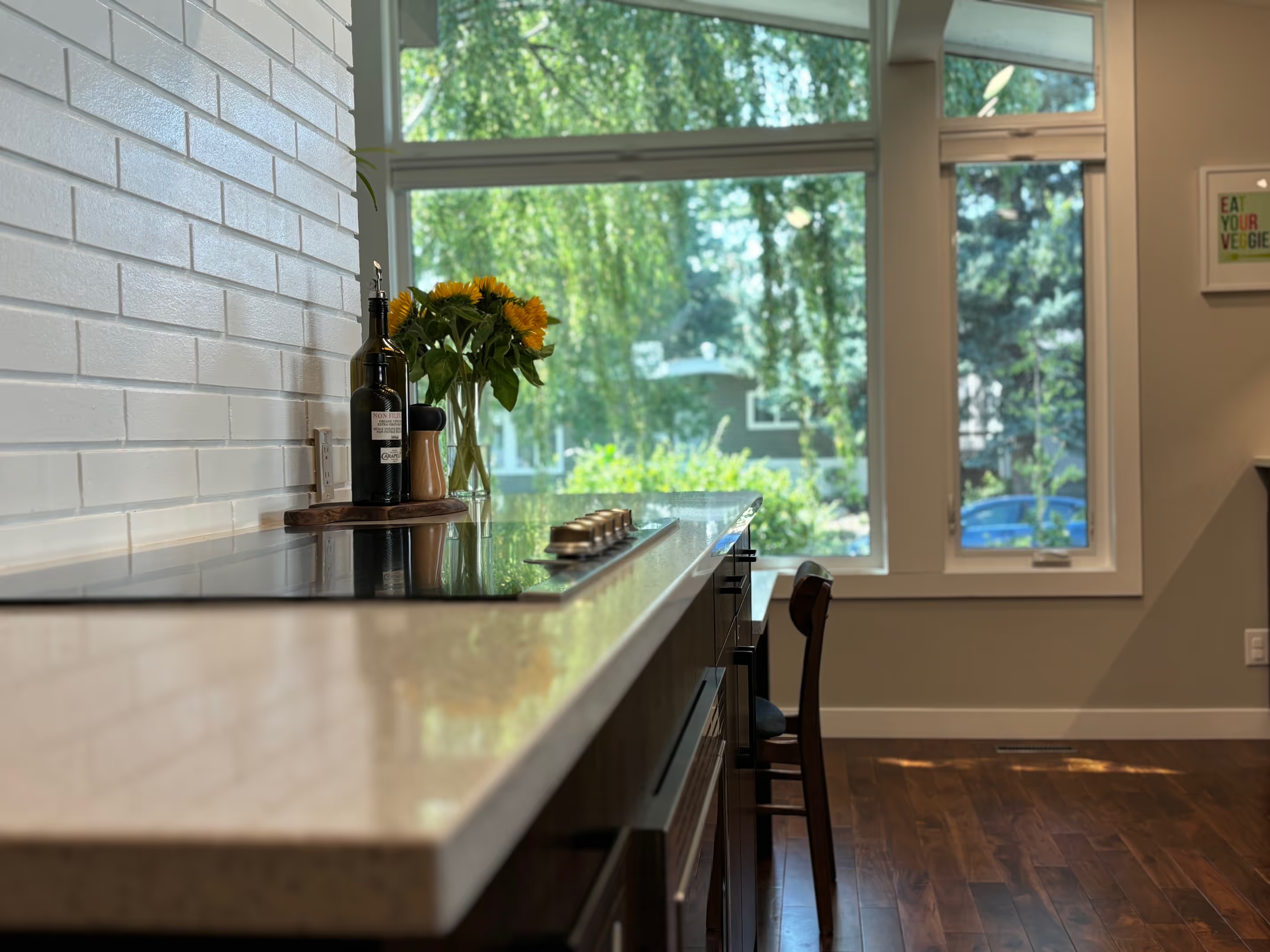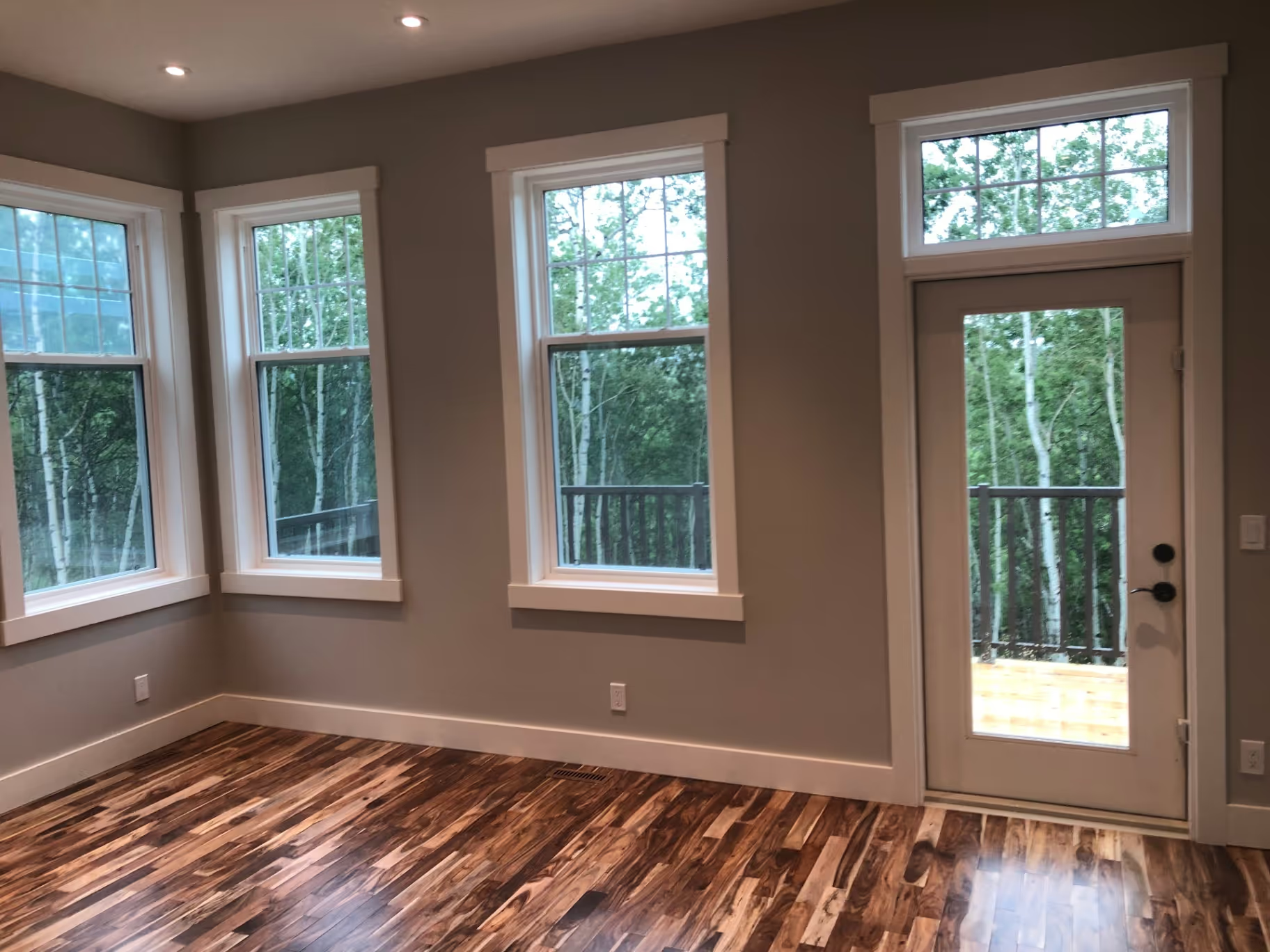
As families grow and lifestyles change, many homeowners eventually face the same question: should we move, or should we expand the home we already love? In many cases, moving is not the only solution. A thoughtfully designed addition can provide the extra space a family needs while preserving the location, neighborhood, and home environment they value.
For homeowners considering home additions in Alberta, the process involves much more than simply building extra square footage. A successful addition must integrate structurally, architecturally, and functionally with the existing home. When done properly, the new space should feel like it was always part of the original design rather than an afterthought.
Because of Alberta’s climate, building regulations, and structural considerations, home additions require careful planning from the earliest stages. Understanding the key factors involved can help homeowners approach the project with realistic expectations and a clear strategy.
Why Many Homeowners Choose Additions Instead of Moving
Relocating to a larger home is not always the best solution. In many communities across Alberta, homeowners have already invested years into their properties, neighborhoods, and surrounding amenities. Schools, commuting routes, and community relationships often play a role in the decision to stay.
Home additions allow families to improve their living space without leaving behind the location they value.
Several common motivations drive homeowners to pursue additions.
• Growing families that require additional bedrooms or living areas
• The need for home offices or remote work spaces
• Aging parents moving into the household
• Expanding kitchens or family rooms to accommodate entertaining
• Creating separate guest suites or rental spaces
In many cases, expanding the existing home can be more practical than navigating the competitive real estate market.
Types of Home Additions in Alberta
Home additions can take many forms depending on the structure of the existing home and the goals of the homeowner. Some projects involve expanding the footprint of the home outward, while others build upward or repurpose existing space.
Main Floor Extensions
Main floor additions are among the most common types of home expansions. These projects extend the footprint of the house, typically expanding living rooms, kitchens, or family areas.
Homeowners often choose this option when they want to create larger open-concept living spaces that connect indoor and outdoor areas.
These additions can include:
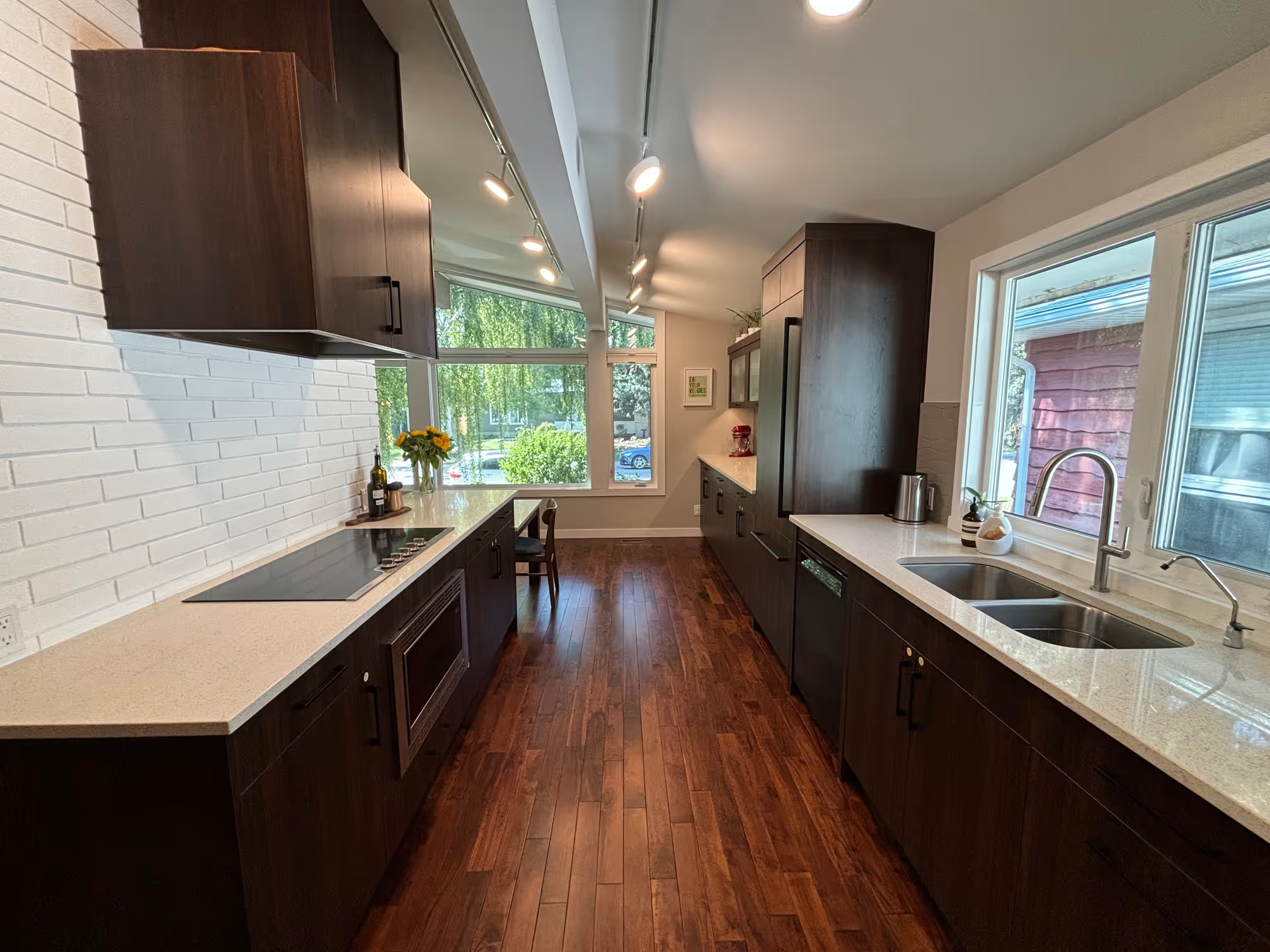
• Kitchen expansions with larger dining areas
• Extended living rooms or great rooms
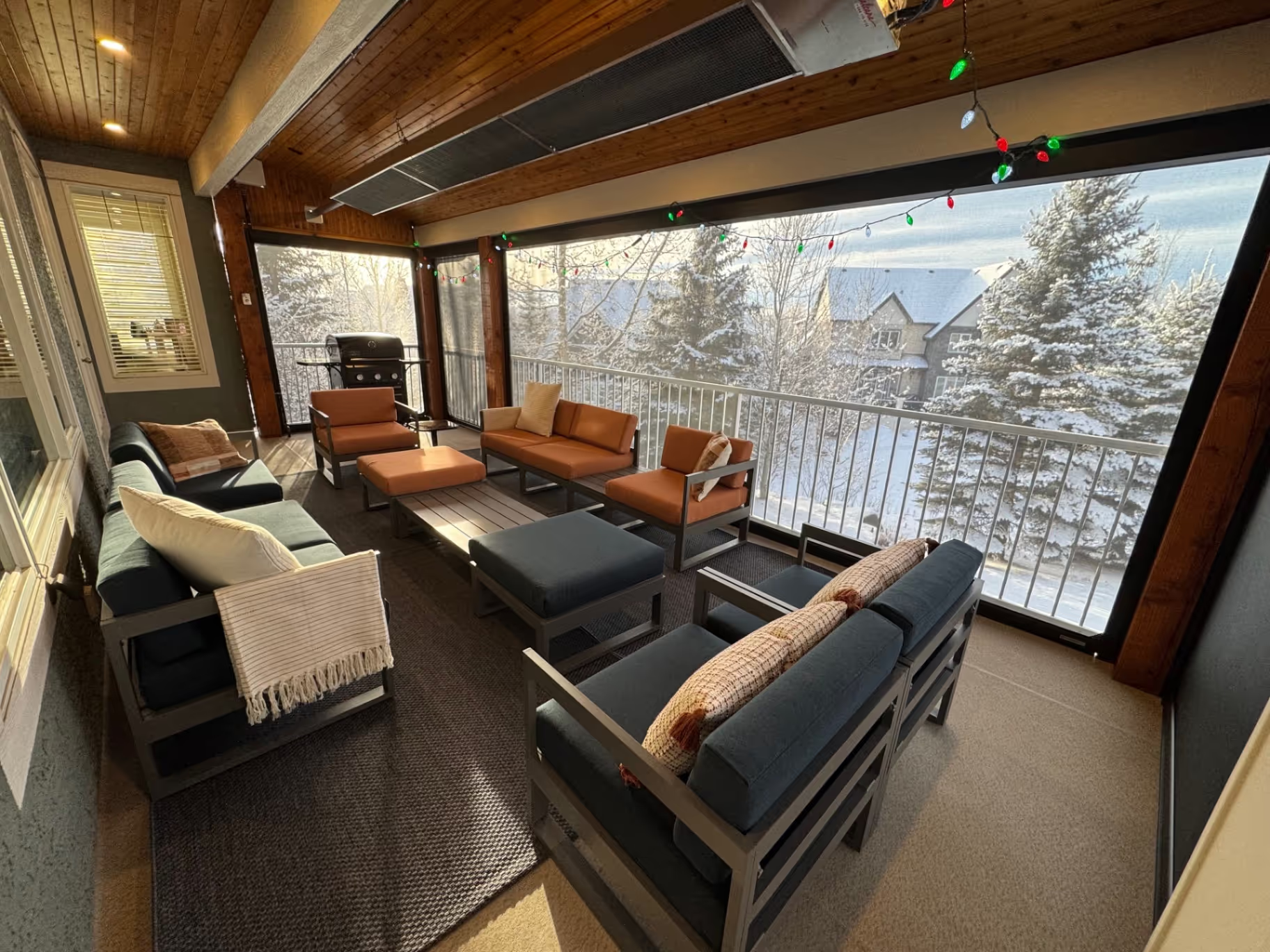
• Sunrooms or enclosed outdoor living spaces
• Additional mudrooms or entry areas
Because these additions change the footprint of the home, they require careful attention to foundation integration and structural support.
Second-Storey Additions
When lot size limits the ability to expand outward, building upward can provide an effective solution. Second-storey additions add an entirely new level above the existing structure.
These projects often include:
• Additional bedrooms
• New bathrooms
• Private primary suites
• Home offices or studio spaces
Second-storey additions are structurally complex and require detailed engineering to ensure the existing foundation and framing can support the new load.
Garage Additions and Detached Structures
Some homeowners choose to expand their property by adding garages, workshops, or detached accessory buildings. These additions can serve both practical and lifestyle purposes.
Examples include:
• Oversized garages for multiple vehicles
• Hobby workshops or creative studios
• Guest accommodations above garages
• Storage buildings for recreational equipment
In rural areas and acreage properties, detached additions often provide flexibility while preserving the architectural character of the main residence.
In-Law Suites and Multi-Generational Living Spaces
Multi-generational living arrangements are becoming more common, and many homeowners design additions specifically to accommodate extended family members.
These additions may include:
• Private living areas with separate entrances
• Small kitchens or kitchenette spaces
• Accessible bathrooms and bedrooms
• Independent living areas connected to the main home
Careful planning ensures these spaces maintain privacy while still feeling integrated with the overall home.
Structural Considerations for Home Additions
One of the most critical aspects of any addition is ensuring the new structure integrates safely and effectively with the existing home.
Foundation Integration
When expanding outward, the new foundation must be designed to align with the structural characteristics of the existing home. Soil conditions, frost depth, and drainage must all be evaluated.
Improper foundation integration can lead to uneven settlement, which may cause cracks or structural issues over time.
Structural Framing
The framing system of the addition must work seamlessly with the original structure. Load-bearing walls, roof structures, and floor systems must all be coordinated carefully.
For second-storey additions, engineers often evaluate whether the existing foundation and framing can support the added weight. In some cases, reinforcement may be required.
Roofline Transitions
Rooflines are another key design consideration. A poorly integrated roof transition can make an addition appear visually disconnected from the original home.
Architects and builders typically design rooflines that maintain consistent slopes, materials, and proportions so the addition feels cohesive.
Matching the Original Architecture
One of the biggest challenges with home additions is ensuring the new space blends naturally with the existing home.
A well-designed addition should not look like a separate structure attached to the house. Instead, it should feel like a seamless extension of the original architecture.
Important architectural considerations include:
• Matching exterior materials such as siding, brick, or stone
• Aligning window styles and proportions
• Maintaining consistent roof pitches and overhangs
• Integrating interior finishes and trim details
These details help preserve the visual integrity of the home.
When done carefully, visitors should not be able to easily identify where the original house ends and the addition begins.
Building Code and Permitting Considerations in Alberta
Home additions in Alberta must comply with provincial building codes as well as municipal regulations. These rules ensure that additions meet structural, safety, and zoning standards.
Key regulatory considerations often include:
• Building permits and inspections
• Property setback requirements
• Maximum lot coverage limits
• Structural engineering approvals
• Energy efficiency standards
Municipalities may also have additional planning requirements depending on the location of the property.
Understanding these regulations early helps prevent delays during the approval process.
Planning the Addition for Long-Term Comfort
Beyond structural and regulatory factors, homeowners should also consider how the addition will function over the long term.
For example, mechanical systems such as heating and ventilation must be evaluated to ensure the expanded home maintains consistent comfort.
In Alberta’s cold winters, additions must also be designed with proper insulation and air sealing to prevent energy loss.
Thoughtful planning during the design phase can help ensure the new space feels as comfortable and efficient as the original home.
Working With an Experienced Builder
Because home additions require integrating new construction with an existing structure, experience plays an important role in the success of the project.
Related: Why Choose Mountains Edge as your Custom Home Builder?
An experienced builder can help homeowners navigate the technical challenges involved in expanding an existing home.
This often includes:
• Evaluating structural feasibility before design begins
• Coordinating architects and engineers
• Managing permitting and municipal approvals
• Planning construction sequencing to minimize disruption
• Ensuring the addition blends seamlessly with the existing structure
Careful coordination between design and construction teams helps ensure the project progresses smoothly.
Expanding Your Home With Thoughtful Design
For homeowners who value their current location but need more space, home additions offer a practical and creative solution.
When planned carefully, an addition can transform how a home functions while preserving its architectural character. Whether expanding a kitchen, adding bedrooms, or creating space for extended family, the goal is to design an addition that feels intentional and cohesive.
By balancing structural planning, architectural design, and long-term performance, home additions in Alberta can enhance both the functionality and value of a home while allowing families to remain in the place they already call home.