Building outside the city has become increasingly attractive for homeowners across Alberta. Larger properties, greater privacy, and access to natural landscapes make rural living a compelling alternative to dense urban neighborhoods. For many families, designing a home surrounded by open land, foothill views, or prairie landscapes represents a lifestyle shift as much as a construction project.
However, building rural custom homes in Alberta requires a different approach than constructing within city limits. Infrastructure, land conditions, zoning regulations, and environmental factors all play a larger role in how the home is planned, designed, and built.
Understanding these variables early helps ensure the project moves forward smoothly while creating a home that performs well for decades.
Why More Homeowners Are Choosing Rural Living in Alberta
Across areas such as Rocky View County, Foothills County, and other rural communities surrounding Calgary, more homeowners are choosing to build on acreage properties rather than traditional suburban lots.
Several factors are driving this trend.
• Larger parcels of land that provide privacy and flexibility
• Greater distance from urban density and traffic
• Freedom to design homes with fewer architectural limitations
• Space for workshops, detached garages, or hobby buildings
• Opportunities to incorporate outdoor living areas and landscaping
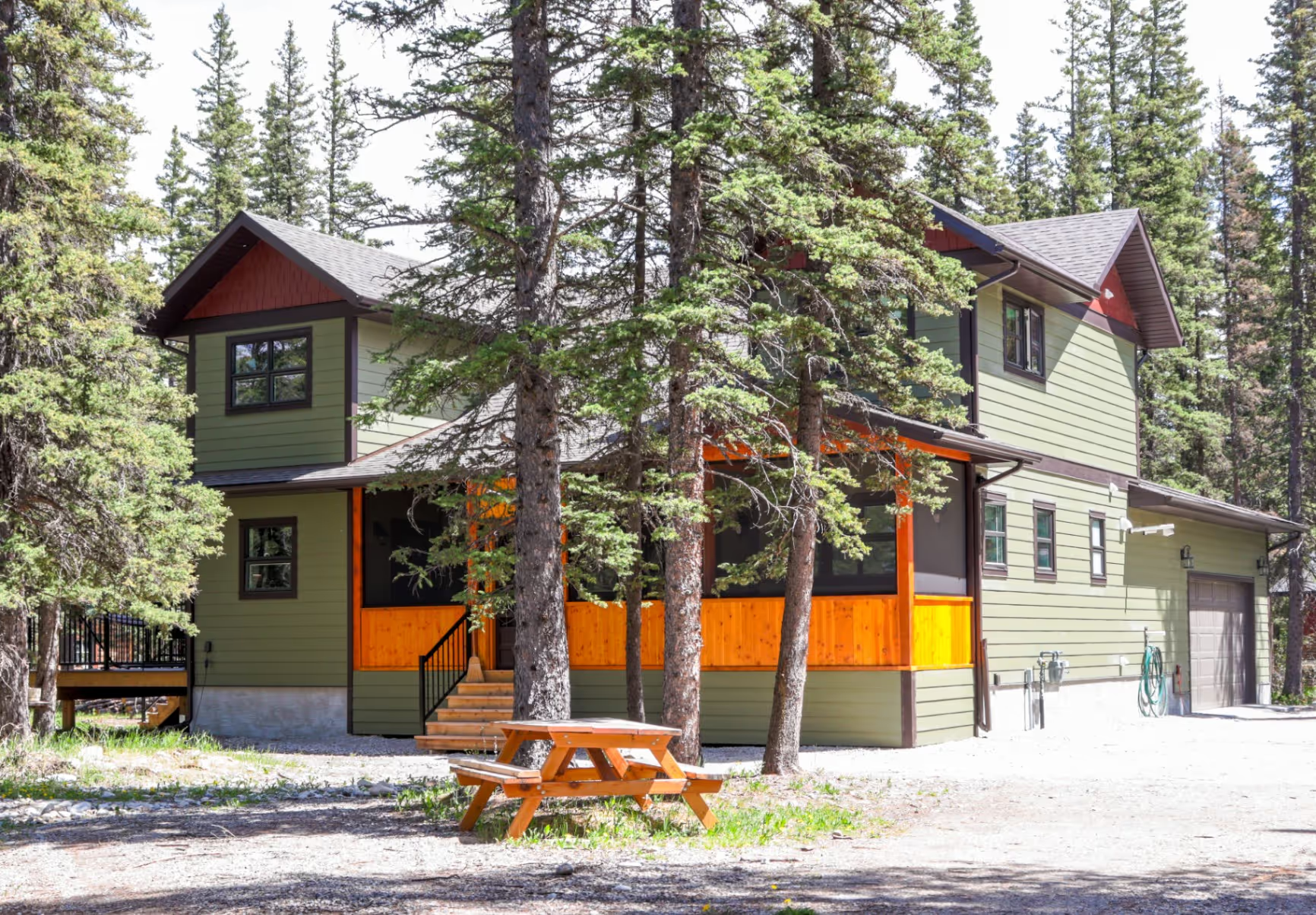
Rural properties allow homeowners to design residences that truly reflect how they want to live. Instead of adapting a home design to a small city lot, rural land allows the home to be shaped around the landscape itself.
Whether the vision involves a contemporary acreage residence, a traditional estate-style home, or a modern farmhouse aesthetic, rural land offers the freedom to design more thoughtfully.
What Makes Rural Custom Homes Different From Urban Builds
Although rural construction offers more design flexibility, it also introduces additional layers of planning and coordination that must be addressed early in the project.
Land Conditions and Site Preparation
Urban subdivisions are typically prepared in advance with grading, infrastructure, and utility connections already in place. Rural land, on the other hand, often requires significant preparation before construction begins.
This can include:
• Clearing trees or vegetation
• Establishing building pads and grading the site
• Soil testing and geotechnical analysis
• Planning drainage and water management
These steps help ensure the foundation is built on stable ground and that water moves away from the structure properly. Ignoring these details early can lead to costly structural or moisture issues later.
Utilities and Infrastructure Planning
One of the biggest differences between rural and urban homes is the absence of municipal infrastructure. Many rural properties must operate independently.
This means planning systems such as:
• Private wells for water supply
• Septic systems for wastewater treatment
• Propane or alternative energy systems
• Electrical service connections from nearby power lines
Designing these systems requires coordination between engineers, county authorities, and the construction team to ensure everything meets regulatory standards.
County Zoning and Development Regulations
Every rural municipality in Alberta operates under its own development guidelines. These regulations can influence where a home can be placed on the property and how the land can be used.
Common considerations include:
• Minimum setbacks from property lines
• Building height limitations
• Access road requirements
• Environmental protection areas
• Agricultural zoning restrictions
Understanding these regulations early helps prevent delays during the permitting stage and ensures the project complies with local requirements.
Designing a Home That Fits the Landscape
One of the greatest advantages of rural custom homes is the ability to design around the natural landscape. Instead of forcing a home into a small urban footprint, the architecture can be carefully positioned to work with the surrounding land.
Orientation and Natural Light
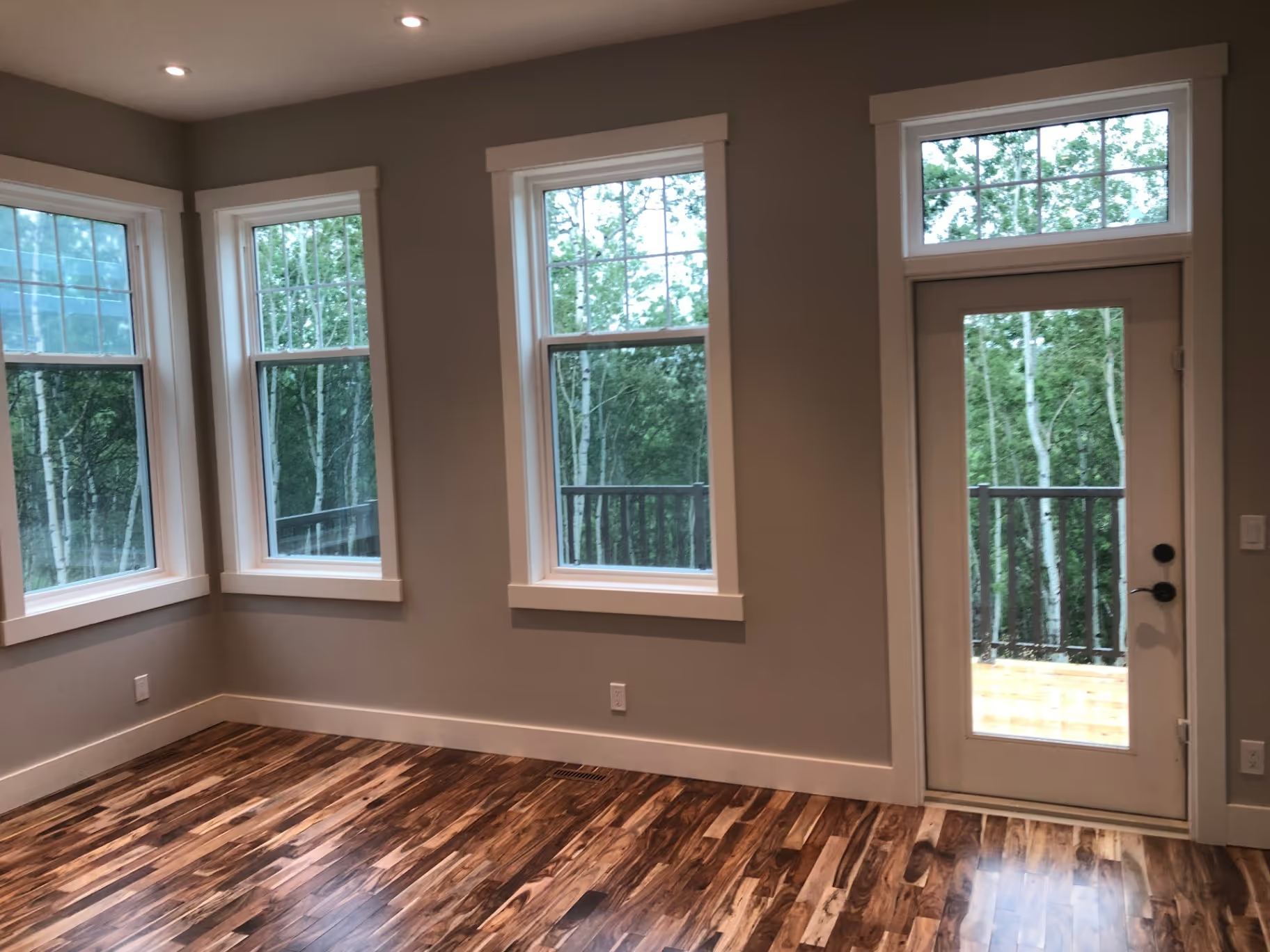
Proper home orientation can dramatically improve both interior comfort and energy efficiency. Positioning main living areas toward scenic views while maximizing southern exposure allows natural light to fill the home throughout the day.
Strategic window placement can also capture sunrise and sunset views while reducing unnecessary heat gain during warmer months.
Wind Exposure and Environmental Conditions
Rural properties are often more exposed to weather patterns than homes in urban neighborhoods. Alberta’s climate includes strong winds, heavy snow loads, and fluctuating seasonal temperatures.
A well-designed rural home accounts for these conditions through:
• Reinforced structural systems
• Durable roofing materials
• Proper roof pitch for snow shedding
• Exterior assemblies designed to resist wind-driven moisture
These considerations help ensure the home performs well through Alberta’s demanding seasonal conditions.
Long-Term Durability
Because rural homes are often farther from service providers and contractors, durability becomes even more important. Materials and building systems should be selected with long-term performance in mind.
This includes:
• High-quality exterior cladding systems
• Energy-efficient windows and doors
• Advanced insulation strategies
• Moisture and air barrier systems designed for cold climates
A carefully constructed rural home should require minimal structural maintenance while maintaining comfort and efficiency for decades.
Planning for Rural Infrastructure
Infrastructure planning is one of the most critical aspects of building rural custom homes in Alberta. Because municipal services may not be available, many systems must be installed and managed independently.
Water Systems and Wells
Many rural homes rely on private wells for water supply. Proper well placement, drilling depth, and water quality testing ensure the household has a reliable and safe water source.
Filtration and water treatment systems are often integrated into the home’s mechanical design to maintain consistent water quality.
Septic Systems
Instead of municipal sewer connections, rural homes generally require septic systems designed to suit the property’s soil composition and household size.
Proper design and installation are essential for long-term performance and environmental protection.
Access Roads and Driveways
In some cases, rural building sites require long access roads or extended driveways to reach the home location. Grading, drainage planning, and proper base preparation ensure the road remains stable year-round.
This becomes particularly important during Alberta’s winter months when snow accumulation and freeze–thaw cycles can affect poorly constructed access routes.
Why Rural Projects Require an Experienced Custom Builder
Because rural construction involves more technical layers than typical urban builds, working with an experienced custom builder can significantly improve the overall process.
Builders familiar with acreage projects understand how to coordinate the many moving parts involved in rural development.
This often includes:
• Coordinating surveyors, engineers, and consultants
• Managing excavation and site development
• Navigating county permitting and approval processes
• Planning infrastructure installation for wells and septic systems
• Integrating the architectural design with the property’s natural features
Addressing these elements early helps reduce delays and ensures the home is built to perform well in its environment.
Working With a Custom Home Builder in Alberta
Building outside the city offers tremendous opportunities for homeowners seeking privacy, space, and a closer connection to Alberta’s natural landscapes. However, successful rural construction depends on careful planning.
Land conditions, infrastructure requirements, environmental factors, and regulatory approvals must all be integrated into the design and construction process from the beginning.
Working with a builder experienced in rural custom homes can help ensure each of these elements is addressed properly.
With thoughtful planning and experienced guidance, an acreage property can become the setting for a home that blends architectural character, durability, and long-term performance.
Planning Your Rural Custom Home
For homeowners considering rural construction, early planning is the key to success. Evaluating the land, understanding infrastructure requirements, and developing a thoughtful design strategy help prevent complications later in the project.
A well-planned rural home should feel naturally connected to its surroundings while providing comfort, durability, and functionality for everyday living.
If you are exploring rural custom homes in Alberta, beginning with a clear understanding of the building process can help ensure your project moves forward with confidence.