Across Alberta, more homeowners are looking for practical ways to expand their living space without changing the character of their property.
In rural areas surrounding Calgary, particularly in places like Rocky View County and the Foothills, Accessory Dwelling Units, also known as ADUs, are becoming a natural extension of how families live, work, and plan for the future. The growing interest in ADUs in Alberta reflects a shift toward more flexible and long term property planning.
At Mountains Edge, we have seen a clear shift. Homeowners are no longer just building bigger homes. They are building smarter properties.
This shift is not happening overnight. It reflects broader changes in how people view homeownership, land use, and long term planning. Rural Alberta has always offered space and flexibility, but now homeowners are starting to use that space more intentionally. They are thinking not just about today, but about how their property will support their lifestyle years into the future.
In many cases, the decision to build an ADU begins with a simple realization. The existing home may already meet most needs, but the property itself has more potential. Instead of relocating or expanding the main house, homeowners are choosing to add a second, purpose built living space that works alongside the primary residence.
A Practical Solution That Fits Rural Alberta Living
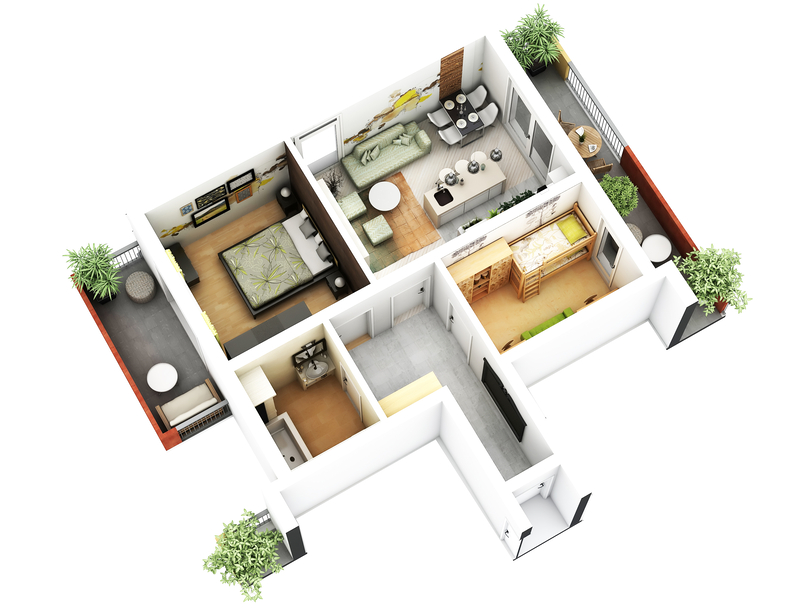
An ADU is a self contained living space built on the same property as a primary residence.
In Alberta, these may be referred to as garage suites, carriage houses, backyard homes, or secondary detached dwellings.
On rural properties, the concept fits naturally. Larger lots, open surroundings, and fewer density pressures allow for a second dwelling to be introduced without compromising privacy or functionality.
Rather than extending the main home beyond what is practical, an ADU allows the property to evolve in a more balanced way.
Related: Home Additions in Alberta
This approach also aligns with how rural properties are traditionally used. Many homeowners are accustomed to thinking in terms of land stewardship rather than short term expansion. Adding an ADU becomes part of a broader strategy to make the most of the property while maintaining its long term value and usability.
Another important factor is how ADUs can be designed to feel integrated from the beginning. When properly planned, they do not feel like an addition or afterthought. Instead, they become a natural component of the property, positioned and designed in a way that respects both the landscape and the existing home. This is one of the reasons why ADUs in Alberta are becoming more common in rural developments.
Why ADUs Are Gaining Momentum Across Alberta
The growing interest in ADUs is not driven by trends. It is driven by real life needs that many Alberta homeowners are facing.
Living Close Without Living Together
Many Alberta families want to stay connected across generations, but not necessarily under one roof.
ADUs provide that balance by allowing family members to live nearby while maintaining independence.
Parents or grandparents can remain close while having their own space. Adult children can stay on the property as they transition into the next stage of life. Families can share proximity without giving up privacy.
In rural areas such as Rocky View County, this approach feels particularly natural. Properties are often large enough to support multiple dwellings, and family ties tend to play a strong role in how land is used over time.
There is also an emotional component to this decision. Many homeowners are not just planning for space, but for connection. Being able to see family regularly while still having personal space creates a more sustainable and comfortable living arrangement for everyone involved.
Making Better Use of the Land
In regions like Rocky View County, space is one of the greatest advantages, and ADUs allow homeowners to use that space more effectively.
Instead of expanding the main house beyond what is necessary, a second dwelling can be positioned intentionally across the property.
It can be oriented to capture views, placed to take advantage of natural light, and set at a distance that preserves privacy between living areas.
This creates a more thoughtful layout overall, where each structure has a clear purpose and relationship to the land.
It also helps maintain the character of rural properties. Rather than concentrating all living space into a single large structure, the property is developed in a way that feels more distributed and balanced.
In many cases, homeowners find that this approach actually improves how they experience their land on a daily basis. Movement between spaces becomes more intentional, and different areas of the property take on distinct functions.
Flexibility That Evolves Over Time
One of the strongest advantages of an ADU is its ability to adapt.
A secondary dwelling is rarely built for just one purpose. Instead, it is designed to evolve as needs change.
It may begin as a guest house or a private office. Over time, it could become a residence for family members, a long term rental where permitted, or a dedicated space for work or creative pursuits.
This flexibility is especially valuable in Alberta, where homeowners often remain on their properties for many years.
Rather than making a single decision that must serve all future needs, an ADU allows for gradual adaptation. The property can change over time without requiring major structural changes to the main home.
This also reduces the pressure to anticipate every future scenario during the initial build. Instead, homeowners can create a flexible foundation that supports different uses as life evolves. This long term adaptability is a key reason behind the rise of ADUs in Alberta.
Long Term Value Without Compromise
ADUs are not just about adding space. They are about improving how a property functions over time.
A well designed secondary dwelling can increase overall property value and make the property more attractive to future buyers.
However, the value is not only financial. It is also practical.
Homeowners gain the ability to adapt to their living situation without moving. They can respond to changes in family structure, work arrangements, or lifestyle without needing to significantly alter their primary residence.
In rural Alberta, where properties are often held for long periods, this kind of adaptability is particularly important.
It allows homeowners to stay rooted while still making meaningful improvements to how the property serves them.
What to Consider Before Building an ADU in Alberta
Building an ADU in Alberta, especially in rural areas like Rocky View County, requires a thoughtful and well planned approach.
Municipal Alignment
Each municipality has its own requirements for secondary dwellings.
These may include regulations related to setbacks, placement, size, servicing, and permitted uses.
Understanding these requirements early in the process is essential. It helps ensure that the design aligns with local regulations and avoids unnecessary delays.
In areas like Rocky View County, where rural considerations play a larger role, this step becomes even more important.
Site Planning
On rural land, placement is one of the most important decisions.
A well planned ADU should maintain privacy between dwellings, work with the natural topography, and respect views, sunlight, and wind patterns.
Access is another key factor. The ADU should be easy to reach year round without disrupting the flow of the main property.
Careful site planning ensures that the addition feels intentional and integrated rather than secondary.
It also helps preserve the overall experience of the property, which is often one of its most valuable characteristics.
Servicing and Infrastructure
Rural properties often require additional consideration when it comes to infrastructure.
Septic systems, water supply, electrical capacity, and access routes all need to support the additional dwelling.
Addressing these elements early in the planning process helps prevent complications later on.
It also ensures that the ADU performs reliably over time, particularly in Alberta conditions where seasonal changes can place additional demands on infrastructure.
Design Consistency
An ADU should feel connected to the property as a whole.
This includes using complementary materials, maintaining a consistent architectural language, and ensuring the scale of the secondary dwelling is appropriate relative to the main home.
When these elements are aligned, the entire property feels cohesive.
The result is not just an additional structure, but a unified environment that reflects careful planning and design.
A More Intentional Way to Build in Alberta
Across Alberta’s rural communities, there is a clear movement toward more intentional homebuilding.
Homeowners are placing greater emphasis on how their property functions rather than simply how large it is.
They are prioritizing flexibility, usability, and long term value.
ADUs support this mindset by offering a way to expand without overbuilding.
They allow properties to grow in a way that is measured and thoughtful.
This approach is particularly well suited to rural areas like Rocky View County, where space is available but must be used carefully to preserve its character.
Final Thoughts
For homeowners across Alberta, especially in rural areas like Rocky View County, ADUs offer a practical and well balanced way to expand.
They create space without compromise, support families without crowding, and add long term value without changing the nature of the land.
At Mountains Edge, this reflects the kind of building approach that continues to define rural Alberta. Thoughtful, adaptable, and grounded in how people actually live.
As more homeowners look for ways to make their properties work better for them, ADUs in Alberta will continue to play an important role in shaping the future of rural living.